Hypothesis
Name the change you want in a lightweight shell: a quieter hand, a lower pack volume, or a face that still reads clearly after repeated flex. Keep Quantum, Quantum Air and Shield as separate hypotheses rather than one outdoor adjective.
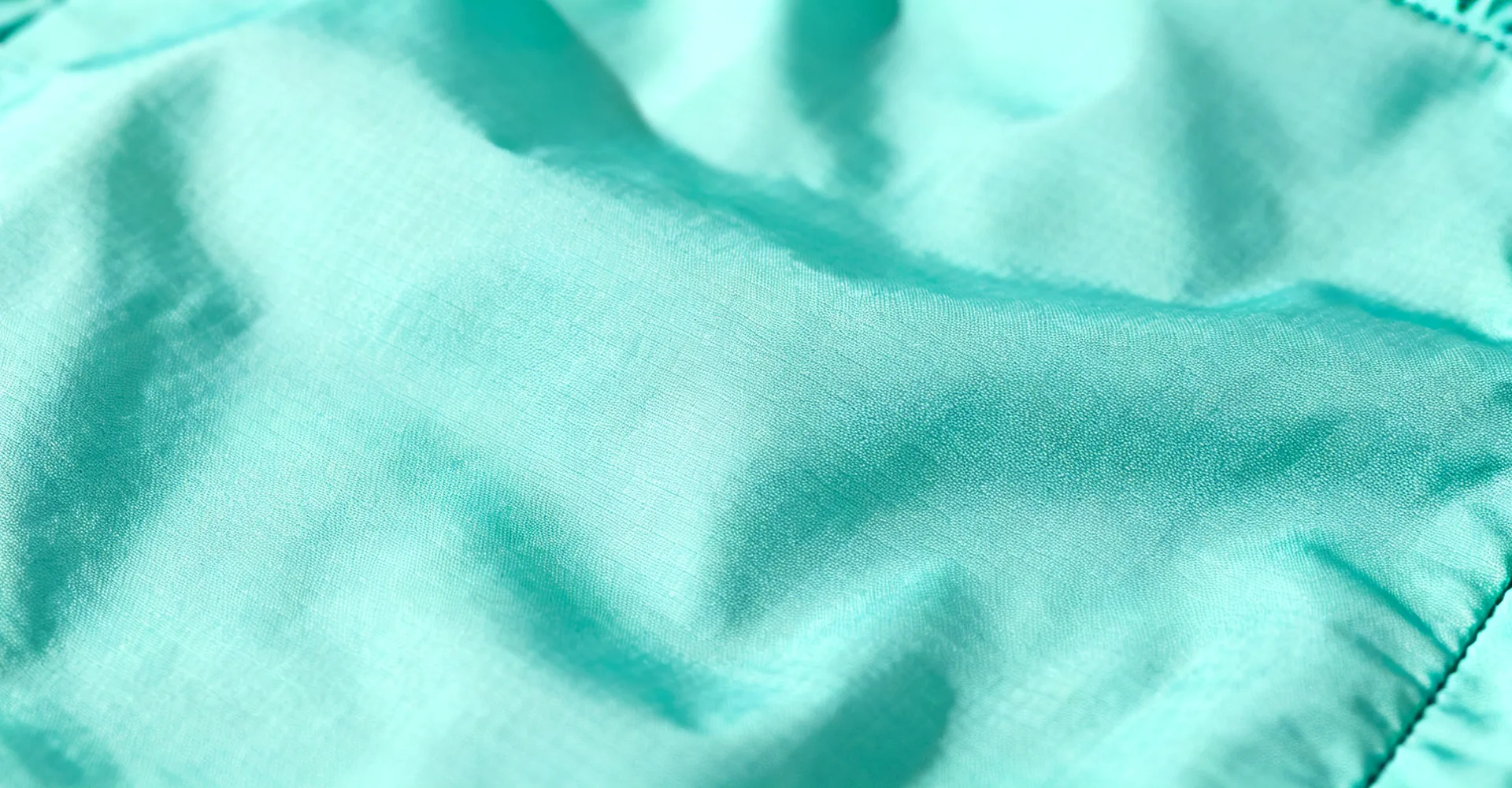
Fabric. Scope. Next step.
Composition · GSM · Usable width · Finish
Name the change you want in a lightweight shell: a quieter hand, a lower pack volume, or a face that still reads clearly after repeated flex. Keep Quantum, Quantum Air and Shield as separate hypotheses rather than one outdoor adjective.
Ask which construction is actually on the table. A face textile, a membrane or coating, and a backing can move independently. A sample enquiry records the route; it does not promise that a swatch is in stock or that bulk cloth will match it.
Write the evidence you will accept before the next round. That might be a side-by-side handle check, a dated shade reference, or a method-specific report with the specimen condition attached. Leave the gate open until those notes exist.
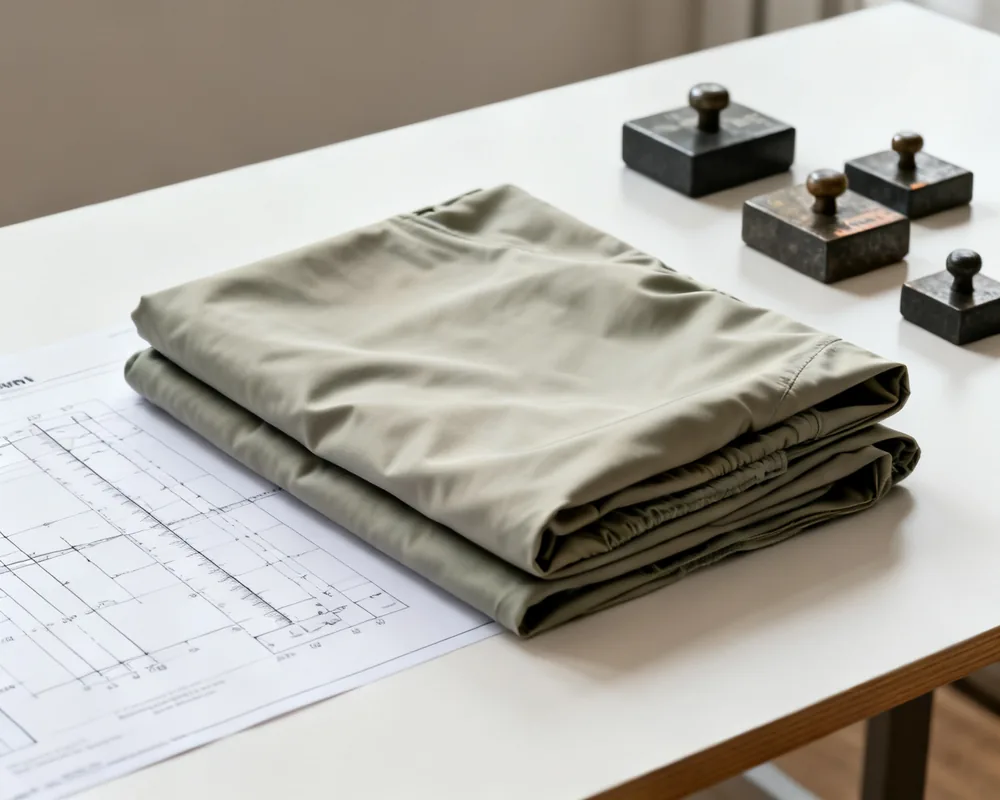
Start with pack volume, face hand and the seam the shell must accept. A light cloth can still be the wrong construction if usable width or finish was never written down.
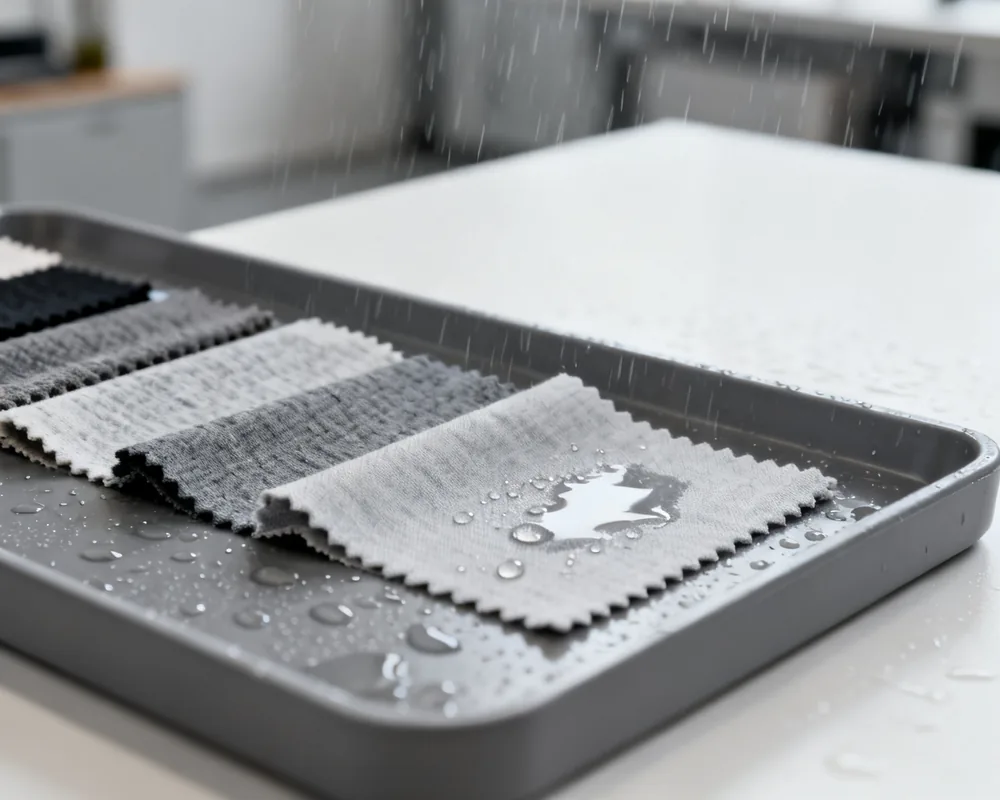
Split liquid-water resistance from vapour movement. Each one needs its own method, specimen state and report scope before anyone calls the layer waterproof or breathable.
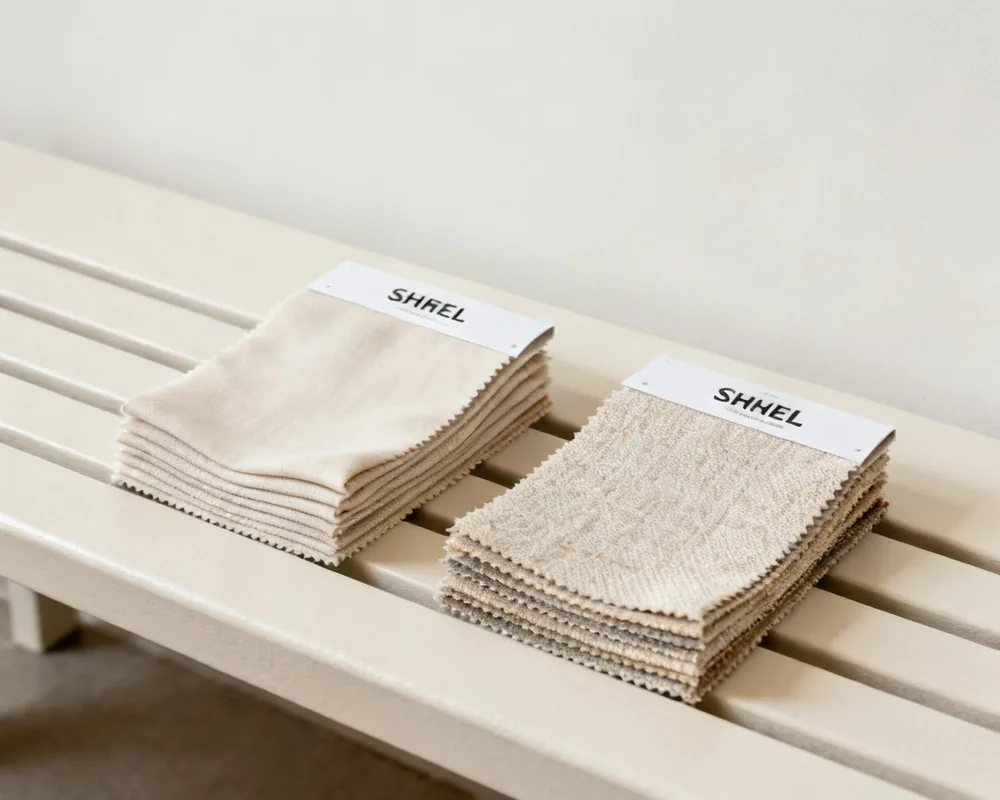
Quantum and Shield names point at different development conversations. Record which family the reference belongs to before comparing hand, face or layer build.
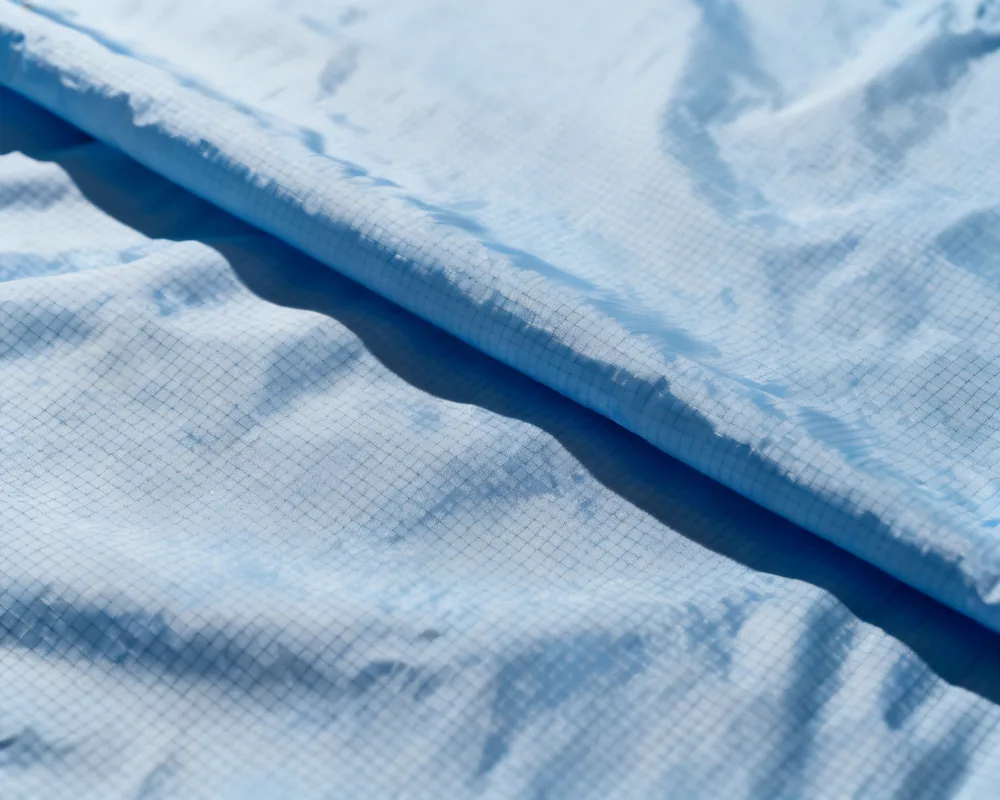
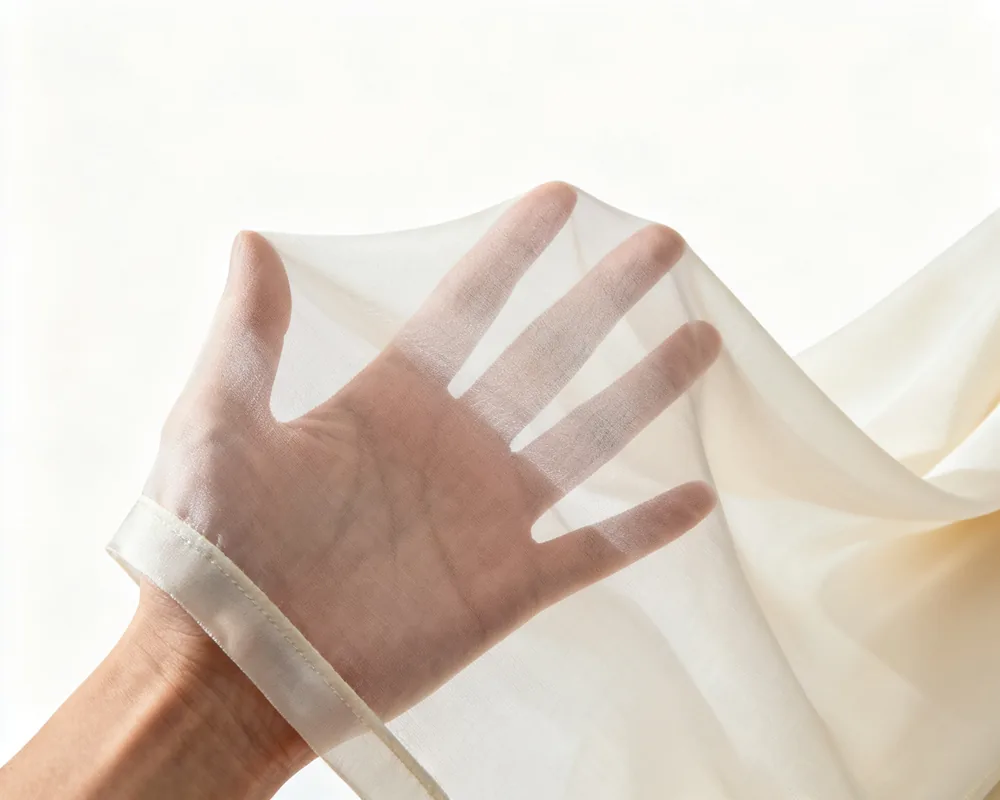
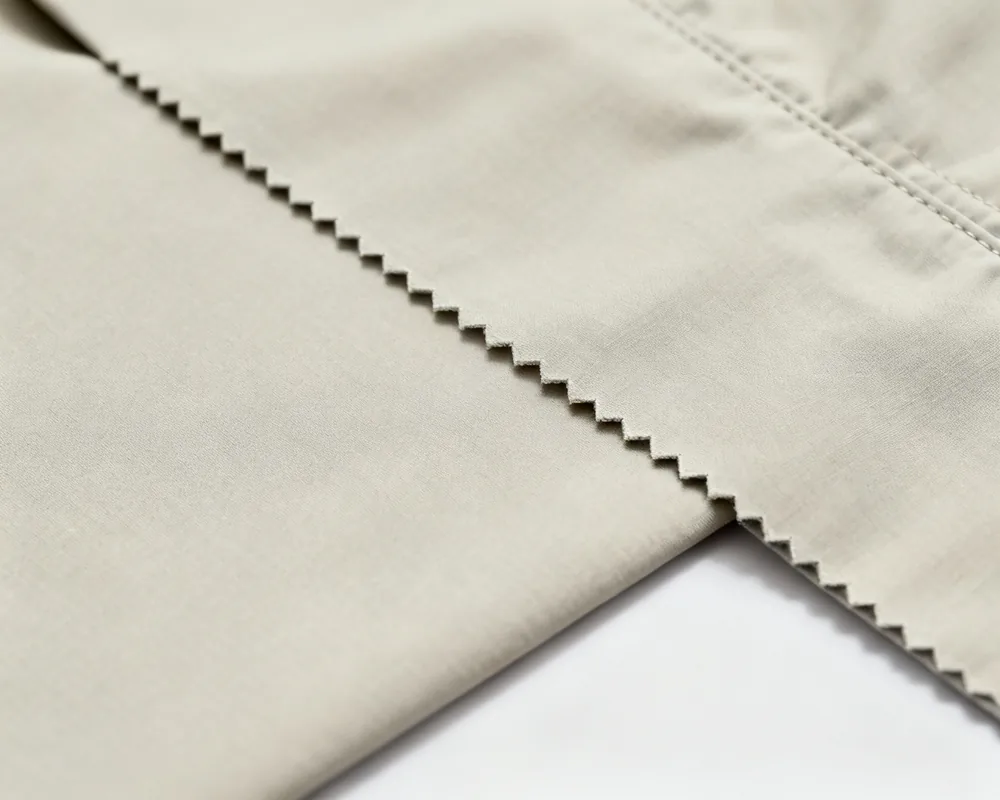
These are discussion fields for a Pertex shell brief, not claimed values for any cloth.
| Field | Target question | Evidence question |
|---|---|---|
| Composition | Identify the fibre blend named for this shell family. | Review the supporting declaration beside the specimen. |
| GSM | Agree a target mass and a tolerance, not a hand description. | Confirm the specimen state and the method used. |
| Usable width | Separate cuttable area from selvedge before patterning. | Confirm the agreement at roll level when rolls apply. |
| Finish | Describe the surface, and ask whether a coating or laminate is actually specified. | Check sample state before reading any durability note. |
Mass per unit area does not define construction, handfeel or finish. Two lightweight shells can share a nominal GSM and still differ in yarn, face and the way a seam sits.
Share the family name, a composition reference, construction, usable width and the layer job. Add the shade context and say whether the swatch is a development piece or a bulk reference.
Only after the method, specimen state and scope are checked. Water resistance and moisture transmission describe different properties and should not be collapsed into one outdoor claim. A related split is abrasion against hand: an abrasion, tear or pilling note answers the method and end point written beside it, while face feel is still checked on the cloth. Coating and lamination are separate routes. Coating is discussed through add-on, adhesion and flexibility; lamination is discussed through membrane structure and the specimen state. If neither is named, both stay blank. Fibre choice is a third split. Natural fibres are discussed for hand and moisture uptake; synthetic filaments are discussed for strength, drying and later processing. That preference is not an environmental ranking. Write composition as percent by mass and check that one declaration sums to 100. No Pertex composition percentage, GSM in g/m², usable width in cm, denier or dtex, or roll length in metres is published on this page.
Explain what the current shell construction needs to change, and which Pertex family the reference sits in.
What needs to improve, and how will it be reviewed?Discuss your fabric requirements